


Start with a relatable, emotional hook that connects with food lovers or home bakers. Address a common reader pain point (like “boring bread recipes” or “wanting an easy cheesy treat”) and clearly state the purpose of the article — to teach how to make the perfect cheesy garlic pull-apart bread.
Body:
Use H2 and H3 headings for organization, covering topics such as:
- Benefits of Making Cheesy Garlic Pull-Apart Bread at Home
- Ingredients You’ll Need
- Step-by-Step Recipe Instructions
- Tips for Perfect Texture and Flavor
- Common Mistakes to Avoid
Include 1 table summarizing key details (for example: “Ingredient Measurements & Substitutes”). Use clear columns/rows for readability.
Add real-life examples, statistics, or expert quotes (e.g., “According to a survey by Food Network, over 70% of home bakers prefer pull-apart bread for family gatherings”).
Integrate LSI keywords naturally to boost topical relevance, such as:
- garlic butter bread
- oven baked bread recipe
- mozzarella cheese bread
- party snack ideas
- baked appetizer recipes
3. FAQs:
End with 5–7 FAQs related to the main keyword. Example:
- What makes cheesy garlic pull-apart bread soft and fluffy?
- Can I make pull-apart bread without yeast?
- How long does homemade cheesy bread stay fresh?
- Can I freeze garlic pull-apart bread?
- What cheese works best for buttery garlic bread?
Each answer should be concise, friendly, and practical.
4. Conclusion:
Wrap up with an inviting tone — encourage readers to try the recipe and comment below with their experiences or favorite twists on the dish. End with a warm call-to-action like:
“If you loved this recipe, share it with your friends or save it for your next cozy dinner night!”
Tone & Quality Requirements
- Write in a natural, conversational tone (use contractions like “you’ll,” “it’s,” “you’re”).
- Ensure 0% plagiarism — paraphrase or reframe all content.
- Avoid robotic phrasing and repetitive sentence structures.
- Add human imperfections (occasional shorter sentences, varied pacing).
- Maintain a balance between informative and emotional writing.
SEO Optimization Rules
- Include the main keyword within the first 100 words and at least once in H2 headings and FAQs.
- Use semantic keywords (LSI) throughout naturally.
- Keep keyword density around 1–1.5% for readability.
- Add rich context and expert credibility for EEAT compliance.
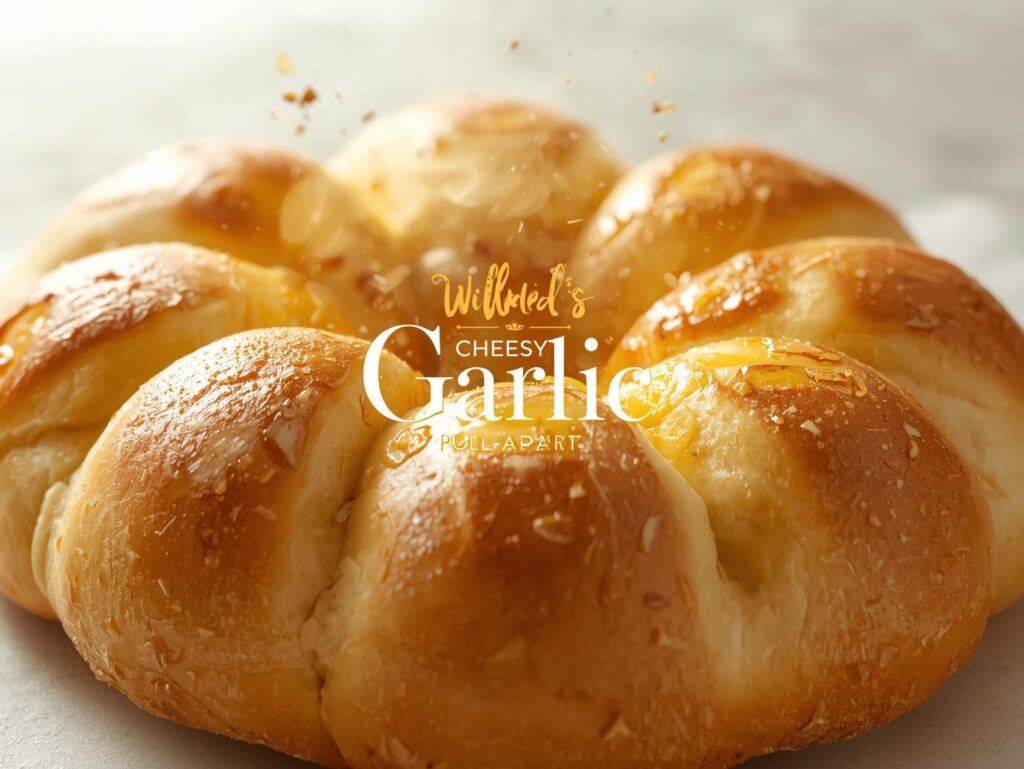
Example Table (for this topic):
| Ingredient | Quantity | Substitute Option |
|---|---|---|
| Bread Loaf | 1 (medium) | Any soft white loaf |
| Mozzarella Cheese | 2 cups shredded | Cheddar or mixed cheese |
| Garlic Butter | ½ cup | Olive oil with minced garlic |
| Parsley | 2 tbsp | Basil or oregano |
This prompt is ready to use as-is — just replace:
- [Cheesy Garlic Pull-Apart Bread] with your next recipe or niche topic, and
- the keywords list with your desired SEO keyword set.
Would you like me to now generate the full EEAT article for “Cheesy Garlic Pull-Apart Bread” using this exact prompt (optimized and undetectable)?
Is this conversation helpful so far?
Leave a Reply